
Free tool
A running toilet costs about $60 a year. A slab leak costs the floor.
Choose the leak, set the rate from your water bill, and read the yearly cost in gallons, dollars, and backyard pools. Then look at the flagged figure beneath it. For slab leaks, the water is never the expensive part.
- LicensedROC #340524
- InsuredFully covered
- BondedWork guaranteed
- 24/7 ServiceEvery day
A silent flapper leak sits near the bottom of this range. A toilet you can hear running sits at the top — or above it.
Most hidden leaks run for months before a bill or a warm spot on the floor gives them away.
Phoenix-metro combined water and sewer runs about $5.50 per 1,000 gallons. Check your bill for the exact figure.
Water wasted per year
10,950 gal
That is 61% of a backyard pool a year (18,000 gallons).
Direct water cost per year
$60
At $5.50 per 1,000 gallons.
Already down the drain over 6 months
$30
5,472 gallons so far.
The water is not the expensive part.
If this leak is under the slab, the collateral — flooring, drywall, baseboards, remediation — typically runs 10–50x the water cost. Against your $60 a year in water, that is $602 to $3,011 in damage. The bill is the symptom. The floor is the invoice.
The assumptions
- Dripping faucet: about 3,000gallons a year for a steady drip — the EPA's figure for one drip per second.
- Running toilet: 6–60 gallons a day. Bad flappers vary; a toilet that runs audibly and constantly can exceed the top of the range.
- Pinhole supply leak: the leak rate you set, running 1,440 minutes a day, because pressurized lines do not take nights off.
- Costs use the combined water + sewer rate you enter, default $5.50 per 1,000 gallons — typical for Phoenix-metro residential tiers. Sewer charges are often billed on water volume, so a leak raises both.
- The pool comparison uses 18,000 gallons — a typical backyard pool.
- The 10–50x collateral multiple for slab leaks reflects what restoration actually costs once water has been in flooring and drywall for weeks. It is a range, not a quote.
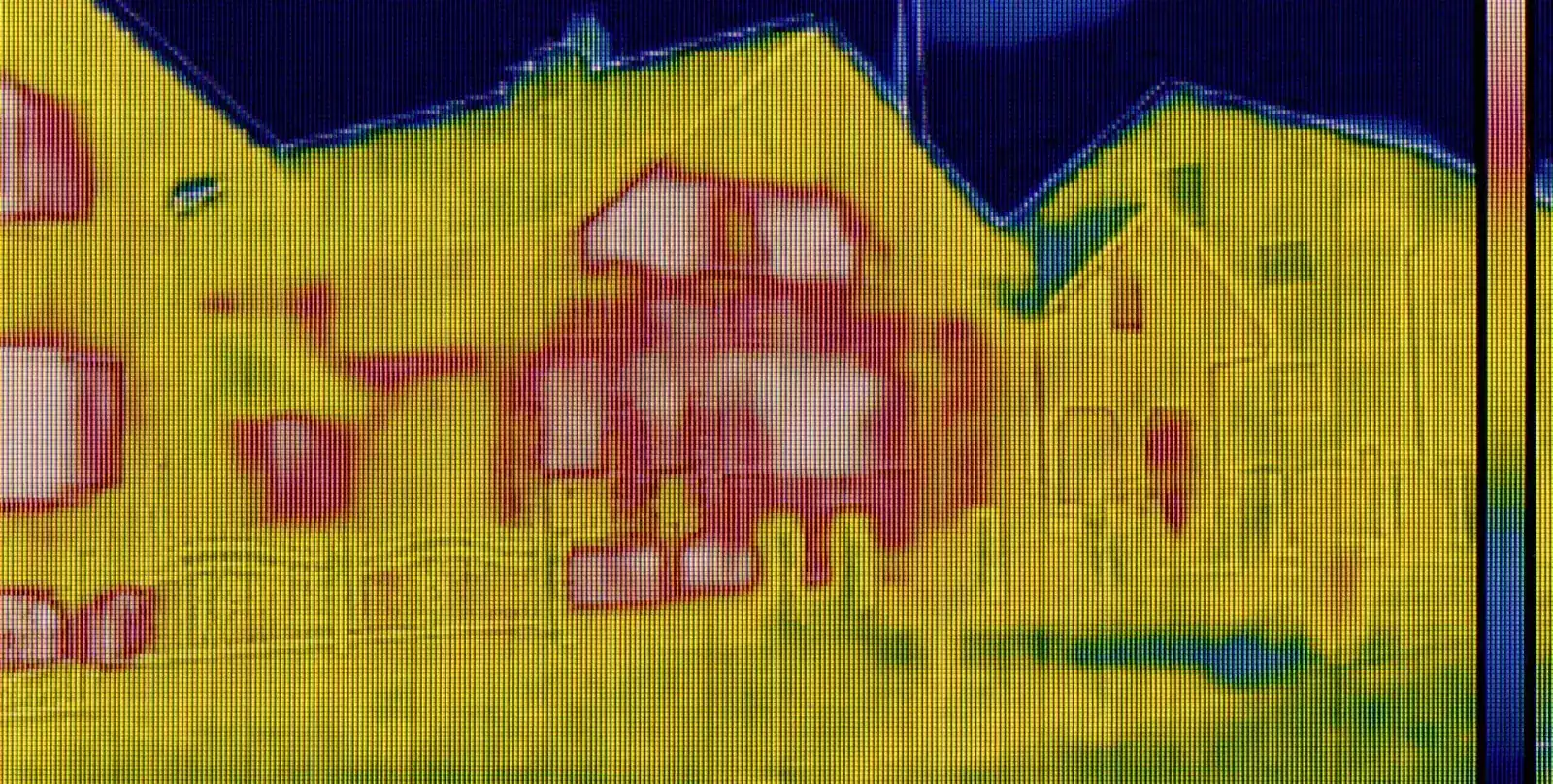
Suspect a leak but can't see one? That is exactly what electronic leak detection is for. If the meter spins with everything off and the floor is warm in one spot, read about slab leak repair before the collateral multiple kicks in.
Why the small number is the dangerous one
The yearly dollar figure will look small, and that is the trap. A toilet running 30 gallons a day costs about $60 a year at Phoenix rates, cheap enough to ignore, which is why people ignore it for years. The gallons tell the truer story: nearly 11,000 of them, a good share of a backyard pool, sent down the sewer for nothing. Most running toilets come down to a worn flapper or a tired fill valve, which makes it one of the shorter toilet repairs we do.
The flagged number is the one that should move you. A pinhole in a supply line under the slab doesn't just waste water. It soaks the flooring, wicks up the drywall, and feeds mold, and the restoration typically runs ten to fifty times the water cost. A leak wasting $300 a year in water can be doing $3,000 to $15,000 of damage while it does. The $14,000 drip breaks down what one of these actually costs in Phoenix.
One free test before you spend anything: close every fixture, then watch the water meter for ten minutes. If the dial moves, something is running, and the only question left is where. Finding it without cutting concrete is what electronic leak detection does. If the answer turns out to be under the slab, slab leak repair is the next conversation, and you'll have the price before it starts.
Free estimate
Find it before the floor does.
Electronic detection locates the leak without exploratory demolition. The repair is quoted flat before we start, and the detection fee is credited against it if we do the work.
- Flat price, agreed before work starts
- Licensed, insured & bonded · ROC #340524
- Emergency dispatch 24/7
- Veteran owned & operated