3 min readBleuwave Plumbing
The $14,000 Drip: What a Slab Leak Actually Costs in Phoenix
The pipe repair is the cheap part. It is everything the water touched on the way to being discovered that writes the real invoice.
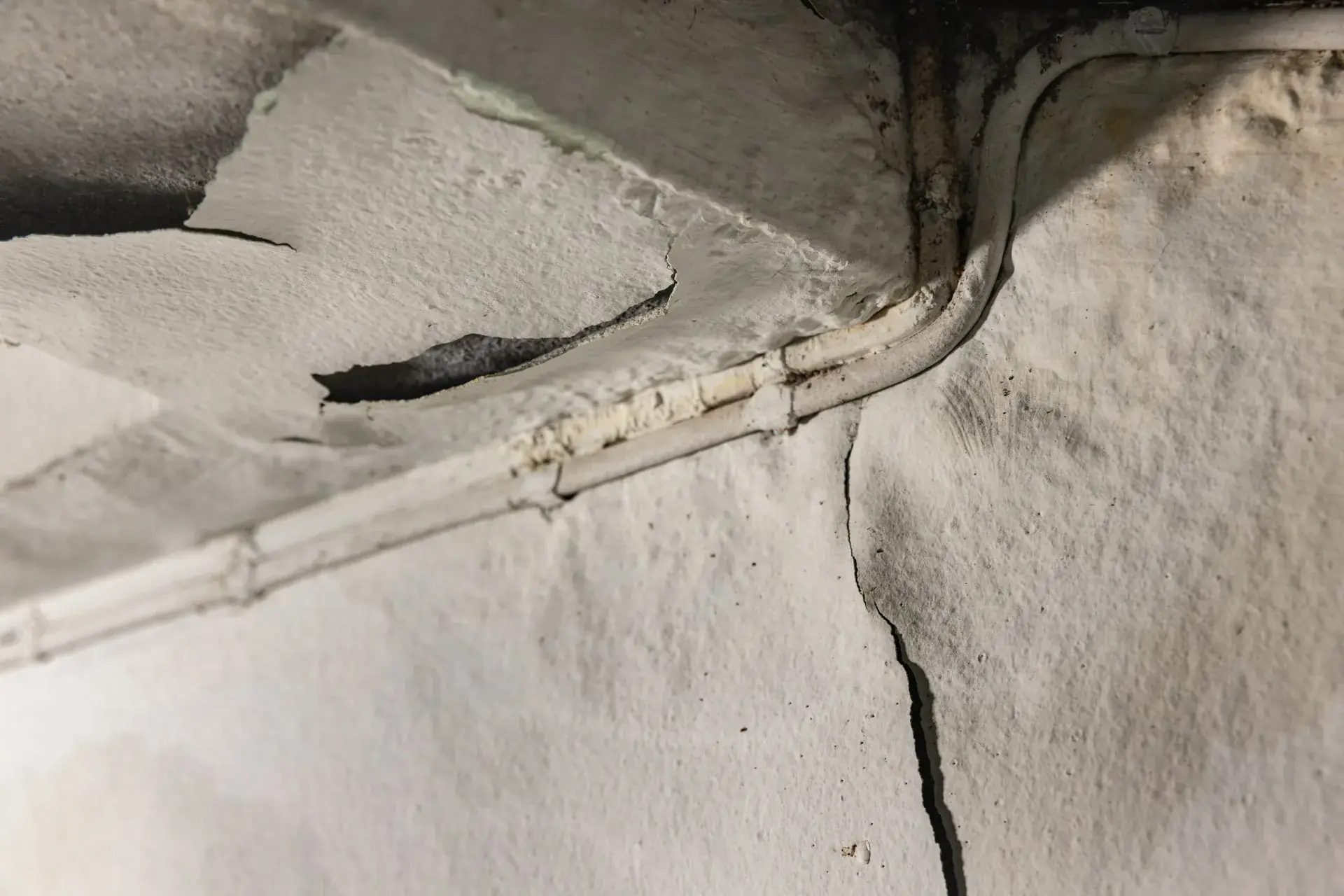
$1,200 to $6,000. That is what most plumbers will quote when you ask what a slab leak costs, depending on where the line failed and how it gets fixed. The range is honest. It is also the smallest number in the story.
The $14,000 version is one we see a few times a year, and it never started as a plumbing problem. It started as a water bill that crept up $40 and stayed there. Nobody chased it. Six months later there was a warm patch on the hallway tile, a smell in the guest room, and a floor that had to come up in three rooms instead of one.
Where the money actually goes
The repair is a fraction. Run the rest of the ledger:
- Flooring. Water tracks along the underside of a slab and surfaces far from the leak (the mechanics are laid out in how supply leaks become slab damage). By discovery it is rarely one room. Tile, wood, and the vapor-barrier work underneath don’t come cheap, and matching three-year-old flooring is its own small tragedy.
- Drywall and baseboards. Wicking is silent. The first foot of drywall above the slab drinks like a houseplant.
- Remediation. If moisture sat long enough for mold, you pay a second trade before the first one starts.
- The deductible, and the argument. Most Arizona policies cover the damage but not the pipe. That distinction generates paperwork, and paperwork goes better when someone photographed everything early. Our slab leak page walks through what insurance usually pays for.
- Water. Six months of a pinhole at main pressure is real money in a city where water is not getting cheaper.
The delay is the expense. The leak was never going to cost $14,000. Ignoring it was.
The early warnings, in order of politeness
A slab leak gives notice. Quiet notice. A step change in the water bill that never comes back down. Running water you can hear with every fixture off. A warm spot underfoot, which only a hot-side leak produces, and which is why cold-side leaks run longer. Hairline cracks in drywall as softened ground lets the slab move.
The most useful test costs nothing. Shut off every fixture, find your meter, and watch the low-flow indicator. If it turns, water is leaving the system somewhere it shouldn’t. That is the moment to book leak detection, while the problem is still invisible, which is exactly when it is cheapest.
What detection buys you
Acoustic gear and thermal imaging locate a slab leak to within about a foot before anyone opens concrete. That precision is the whole economics of the job: one small opening in the right place instead of exploratory demolition. Or, often the better call in this market, a reroute that abandons the failed run and never fails at the same spot again. If the house has leaked twice already, the reroute may be the first chapter of a larger conversation about the pipe.
Detection runs a couple of hundred dollars and is credited against the repair. Against the $14,000 version of events, it is the best-priced insurance in the Valley. If the repair itself turns out to be a big one, financing is available.
If your bill stepped up and stayed up, call us, or run the numbers yourself with the hidden leak cost calculator. Either way, do it this month, before the flooring notices.
slab leakscostsinsurance