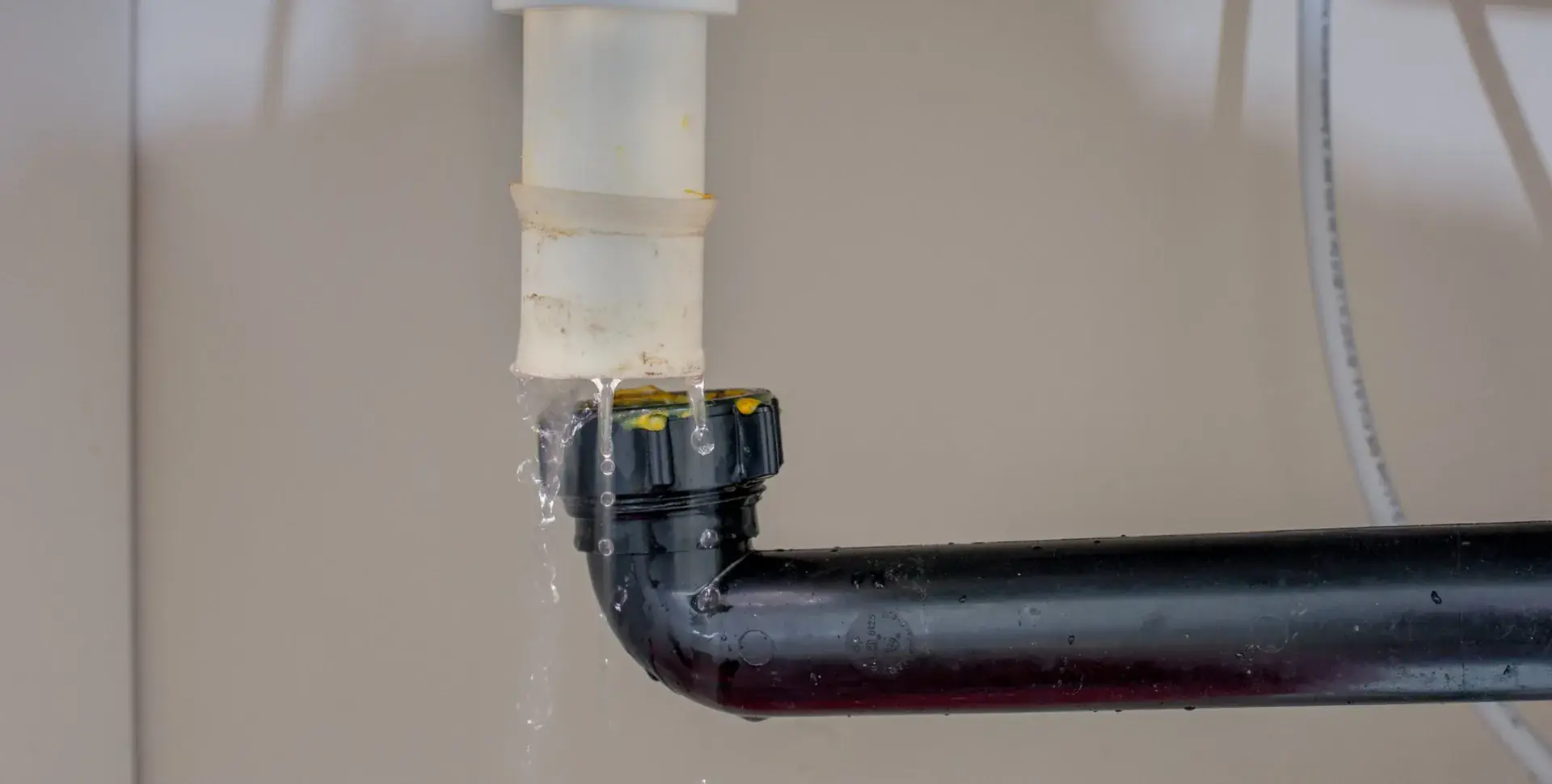
Pipe Repair in Phoenix & Scottsdale, priced before we start.
Why did the pipe break there, and why now? That question separates a repair from a return visit. Pipes rarely fail at random. They fail at a fitting that was stressed, a spot where the wall wore thin, a strap that let the line rattle against a stud for fifteen years. Fix the hole without reading the cause and you have bought a few months, at best.
Phoenix has its own list of causes. Pressure is one: street pressure in parts of the Valley runs higher than the 80 PSI that plumbing code treats as the limit inside a house, and a worn or missing pressure-reducing valve lets all of it through. Heat is another, since many supply lines cross attics that spend the summer above 130°F, and plastic pipe ages faster there. Then there’s water hammer, the thud when a washing machine or irrigation valve snaps shut, which loosens fittings one shock at a time.
The material tells the rest of the story. Copper tends to pinhole, a small leak that sprays or weeps. Polybutylene lets go at its fittings. Galvanized rusts through at the threaded joints. CPVC grows brittle and cracks, sometimes when someone simply leans on it. PEX is tough, but a badly made crimp can fail years later. Knowing which you have tells us what to bring, and whether the foot of pipe next to the break is likely to be the next one.
Two checks are worth doing before anything goes wrong. Find the main shutoff and turn it, today, while the house is dry, because valves left alone for a decade have a way of seizing. Then pick up a pressure gauge that threads onto a hose bib and take a reading. Anything above 80 PSI means the plumbing is working harder than it was built to, and a regulator costs far less than the pipes it protects.
Some leaks can wait and some can’t. A drip under a sink will usually keep until morning with a bucket and a towel. A spraying line will not. A leak inside a wall sits in between, because the damage is happening where nobody can see it. When the water is showing up but the source isn’t, leak detection comes first and the repair follows.
Signs a pipe needs attention
Water where water shouldn’t be
Under a sink, along a baseboard, dripping from a light fixture. Close the nearest valve or the main. Water coming through a ceiling near wiring is an emergency at any hour.
A bang when a valve closes
That thud is water hammer. It shakes straps and fittings loose over time and often means pressure is too high. Arrestors and a working regulator quiet it down.
Green crust on copper, rust at threads
Corrosion on the outside of a fitting usually means water has been weeping from it for a while. That’s the easiest leak to fix, before it turns into a spray.
What does your gauge say?
A reading over 80 PSI shortens the life of every pipe, valve, and appliance in the house. It’s one of the most common hidden reasons behind the breaks we repair.
Brittle, cracked plastic
Yellowed CPVC or gray polybutylene that cracks when touched. One repair is fine. A run of them points toward repiping.
Weak flow at a single fixture
If the aerator and cartridge are clean, the line feeding that fixture may be kinked, crushed, or corroded partway closed.
How a repair visit runs
- 01
Water off, damage contained
We isolate the broken line so the rest of the house can keep running where possible, and deal with standing water before anything else.
- 02
Find the cause, not just the hole
Pressure, material, strapping, and the pipe on either side of the break all get a look. You get photos and a plain-English explanation.
- 03
A proper fix
Damaged pipe comes out and a new section goes in with fittings suited to the material: soldered or pressed copper, crimped or expanded PEX. A repair clamp is a stopgap, used only to get your water back on until the permanent repair is made.
- 04
Tested before anything closes
The repaired line holds pressure on a gauge before a wall or ceiling goes back. If high pressure caused the break, we quote the regulator as well, and you decide.
- 05
An honest read on what comes next
If the rest of the system looks sound, we say so. If it doesn’t, we show you why, and the repipe decision tool helps you weigh one more repair against replacing the lot.
How pipe repair is priced
Quoted flat, before we start
There’s no honest single number for a pipe repair, because the pipe is the cheap part. What moves the price is access (an open garage ceiling versus a tiled shower wall), the material, how many fittings are involved, whether it’s an after-hours call, and how much drywall comes out. You get one flat price before work starts, and it only moves if the job turns out smaller.
Financing is available on larger jobsMost pipes give some warning before they fail. The ones that don’t usually had a pressure problem nobody measured.
Pipe Repair: questions we get asked
Straight answers, the same ones we give on the phone.