2 min readBleuwave Plumbing
The Repipe Decision: When Patching Stops Paying
The third leak in two years is not bad luck. It is the pipe publishing its intentions. Here is how to read the arithmetic before the fourth one does it for you.
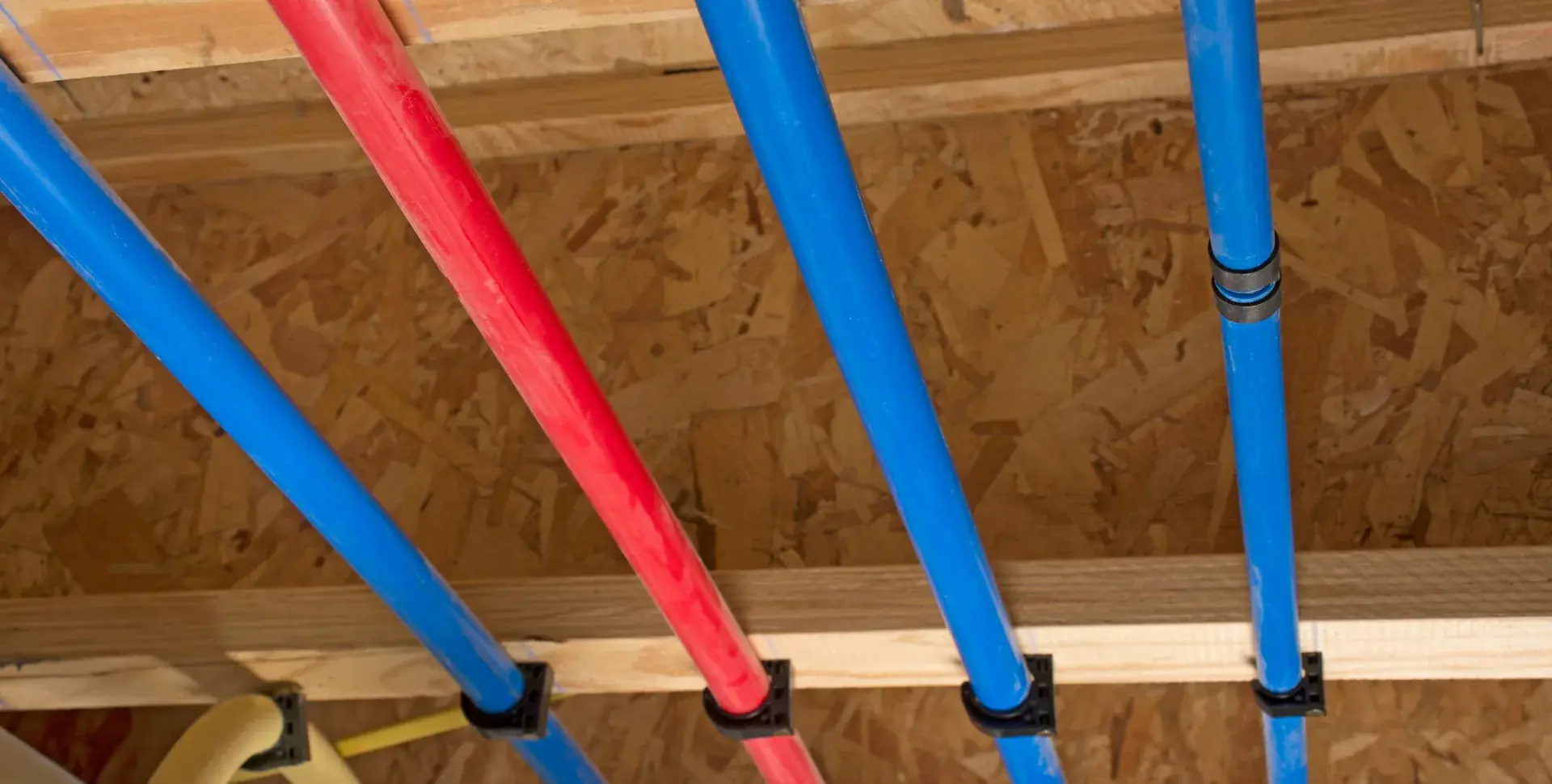
Between roughly 1978 and 1995, builders across the Valley plumbed houses with a gray plastic supply line called polybutylene. It was cheap, flexible, and fast to install. It also fails at its fittings without warning, and insurers long ago did their own arithmetic on it. If your walls hold gray pipe, this decision makes itself. The question is not whether but when, and preferably before the when is a ceiling.
Most homes face a slower version. A pinhole in the copper this spring. Another behind the laundry in the fall. Each repair around $800, each reasonable, each accompanied by the plumber’s quiet observation that the rest of the run looks like the part that failed.
The arithmetic of the pattern
One leak is an event. Two on the same system inside two years is data. The conditions that made the first pinhole (water chemistry, installation-era flux, a hot recirculation loop) exist along the whole run. Copper does not develop one pinhole out of spite. It develops the first of several.
So the honest comparison is not “$800 repair versus $10,000 repipe.” It is the next several years of repairs, plus the damage each one does before discovery, plus the pressure and rust-water problems that never quite go away, set against ending the category once. The damage term is the one people underestimate, and the full invoice on a slab leak shows why.
- Repeat repairs: $800 each, arriving on the pipe’s schedule, each with drywall and drying attached.
- A whole-home repipe: roughly $4,000–$15,000 in the Valley depending on size and material, permitted, drywall patched and textured, done in three to five days with water on every night.
- The unpriced difference: repairs happen at emergency speed, at the pipe’s convenience. A repipe happens on a calendar, at yours.
Add up what the system cost you in the last three years. Then ask what makes the next three different. Nothing? That is the answer.
Reading your own walls
A pre-1970 house with weak flow at the far bathroom and rusty first-draw water is showing you galvanized steel corroding shut from the inside. That is replacement territory, not repair. Gray flexible pipe at the water heater connections or in the attic: polybutylene, see paragraph one. Copper with a repair history: count the repairs and check the calendar.
Pressure that is fine near the meter and poor at a distance is the pipe narrowing, not the city shorting you.
If you are on the fence
Our repipe decision tool asks six questions and gives one of three honest answers, including “repair as needed,” which we hand out regularly. A camera and pressure assessment turns guessing into knowing for a few hundred dollars.
When the answer is repipe, we map every run before cutting, keep the water on overnight, and leave the drywall ready for paint. Financing exists for exactly this job.
repipingpolybutylenecosts