24/7 Emergency Plumbing in Phoenix & Scottsdale, priced before we start.
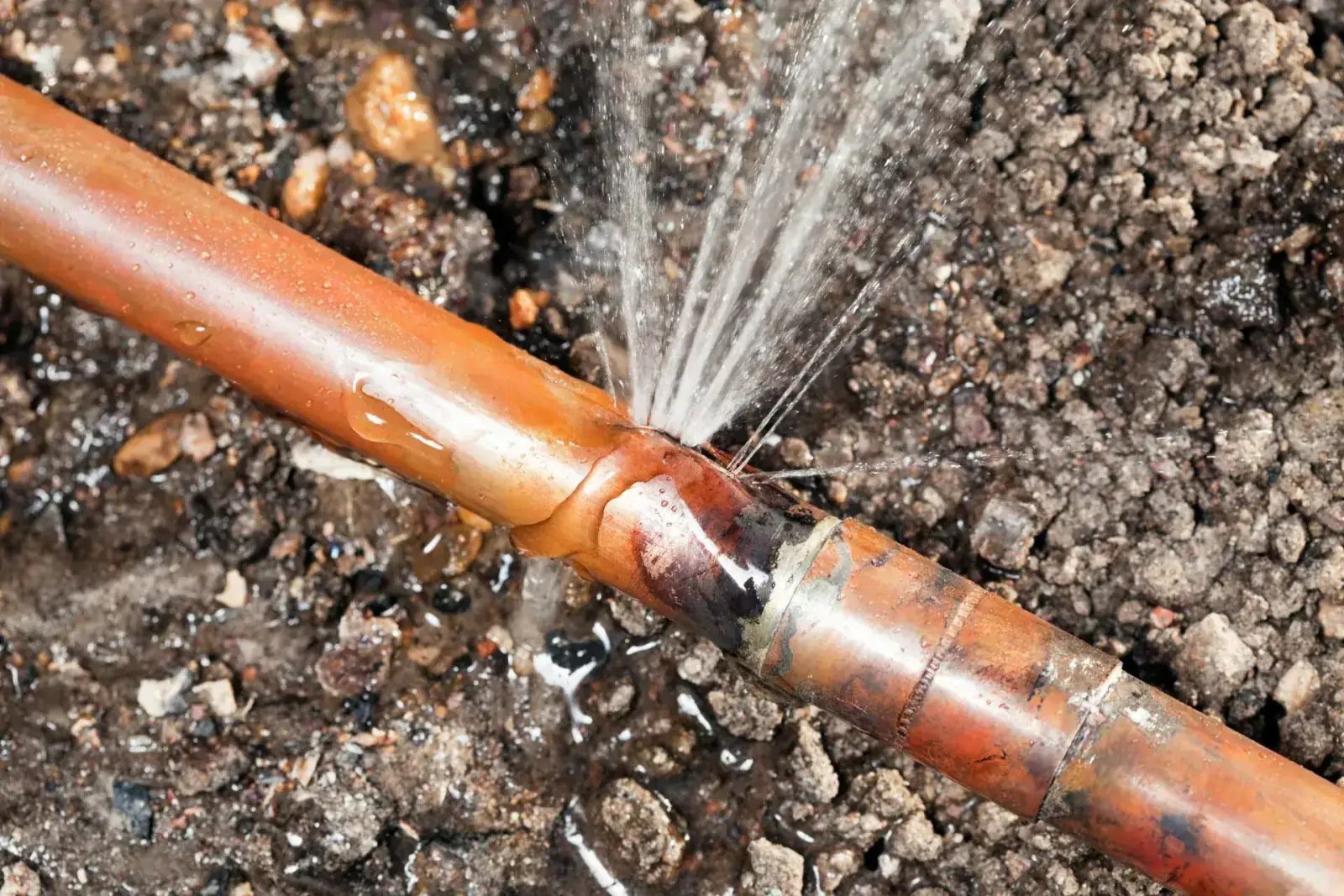
The water in your supply lines is under pressure every second of the day, usually somewhere between 50 and 80 PSI, and it does not rest when you do. A split half-inch line at that pressure can put several gallons a minute on the floor. The pipe does not care that it is Sunday, or that the break is behind the washer, where nobody will see it until their socks do.
So the most valuable move in a plumbing emergency costs nothing and happens before anyone arrives: close the main shutoff. In most Valley homes the house valve sits where the supply line rises out of the ground along the front wall, often beside a hose bib. In others it is in the garage, near the water softener loop. The city’s valve in the meter box by the curb works too, though it usually wants a meter key and a strong wrist.
When the trouble is the water heater, there is a second valve. Close the cold inlet on top of the tank, then turn the gas control to off, or switch off the breaker for an electric unit. A tank weeping from its bottom seam has finished its working life. Once the water is stopped, a replacement water heater is a next-day conversation rather than a midnight one.
Why does the hour matter so much? Phoenix houses sit on concrete slabs, and water on a slab has nowhere to go but sideways: under baseboards, up into the bottom of the drywall, beneath the flooring you picked for its warmth. EPA guidance is to dry wet building materials within 24 to 48 hours to prevent mold. A leak found at 11 p.m. and left until morning has already spent a good part of that allowance. What a slow leak really costs turns out to be mostly a story about time.
We are open 24/7 with emergency dispatch. The technician stops the water first, photographs the cause, and gives you a flat price for the repair before picking up a tool. After-hours work costs more than a Tuesday-morning visit, and that difference is spelled out up front. When the honest answer is that the permanent fix can wait for daylight and daytime rates, you will hear that answer.
Close a valve and call now
Water moving where it shouldn’t, and not stopping
A burst pipe, a split braided connector under a sink, a washer hose that let go. Supply lines are pressurized around the clock and never tire out. Main off first, then call.
Sewage coming up instead of going down
A toilet or tub filling from below means the main drain is blocked somewhere past the house. Stop running water everywhere, because every flush lands on your floor. The fix starts with clearing the line and, usually, a look at why it clogged.
Nothing from any tap
It could be a failed pressure regulator, a break between the meter and the house, or the city working on the street. Ask a neighbor first. In July, a house without water becomes a problem quickly.
A water heater standing in its own puddle
Cold inlet closed, gas or breaker off. A drip from a fitting on top is often a repair; a leak from the tank itself is not. A 40- or 50-gallon tank has a lot of water to give up.
Is water coming through a ceiling fixture?
Close the main, and if you can reach the electrical panel without standing in water, switch off that circuit. Stay out of the room until it is dead. The source is usually a line in the attic or an upstairs bathroom.
The smell of gas
Not a plumbing call first. Leave the house, leave the switches alone, and call the gas utility’s emergency line or 911 from outside. Once the utility has made it safe, gas line repair is ours.
From the call to a dry floor
- 01
Shutoff first, questions later
The first thing we ask is whether the water is off. If it isn’t, closing it is worth more than anything else that happens tonight, and we walk through where to find it.
- 02
A truck, at any hour
Emergency dispatch runs 24/7 across Maricopa and Pinal counties. The truck carries the valves, fittings and connectors a burst line usually calls for, because the goal of the first visit is water back on, not a second appointment.
- 03
Found, isolated, photographed
The source is located and cut off, often by closing one branch so the rest of the house has water again. Everything gets photographed, which your insurer will want and your memory will not supply.
- 04
The price comes before the wrench
You get a flat number for the repair before it starts, and it doesn’t change once you agree to it. If the job turns out smaller than expected, the price goes down.
- 05
Permanent fixes, by daylight
A burst line in a polybutylene house, or a warm spot on a slab, may point to something bigger. Those get a proper diagnosis, with leak detection where it’s warranted, and a price once nobody is standing in water.
What it costs
Quoted flat, before we start
Night, weekend and holiday work costs more than the same repair on a weekday morning, and you know the figure before anything begins. What moves it: where the break is, what the pipe is made of, and how much wall or ceiling stands between the technician and the leak. Nobody receives a 3 a.m. invoice with a number they never agreed to.
Financing is available on larger jobsThe best time to learn where your main valve is happens to be free: tonight, dry, with the lights on.
Emergency Service: questions we get asked
Straight answers, the same ones we give on the phone.